HOME
Inkedlady666: Revolutionizing Tattoo Culture and Body Art

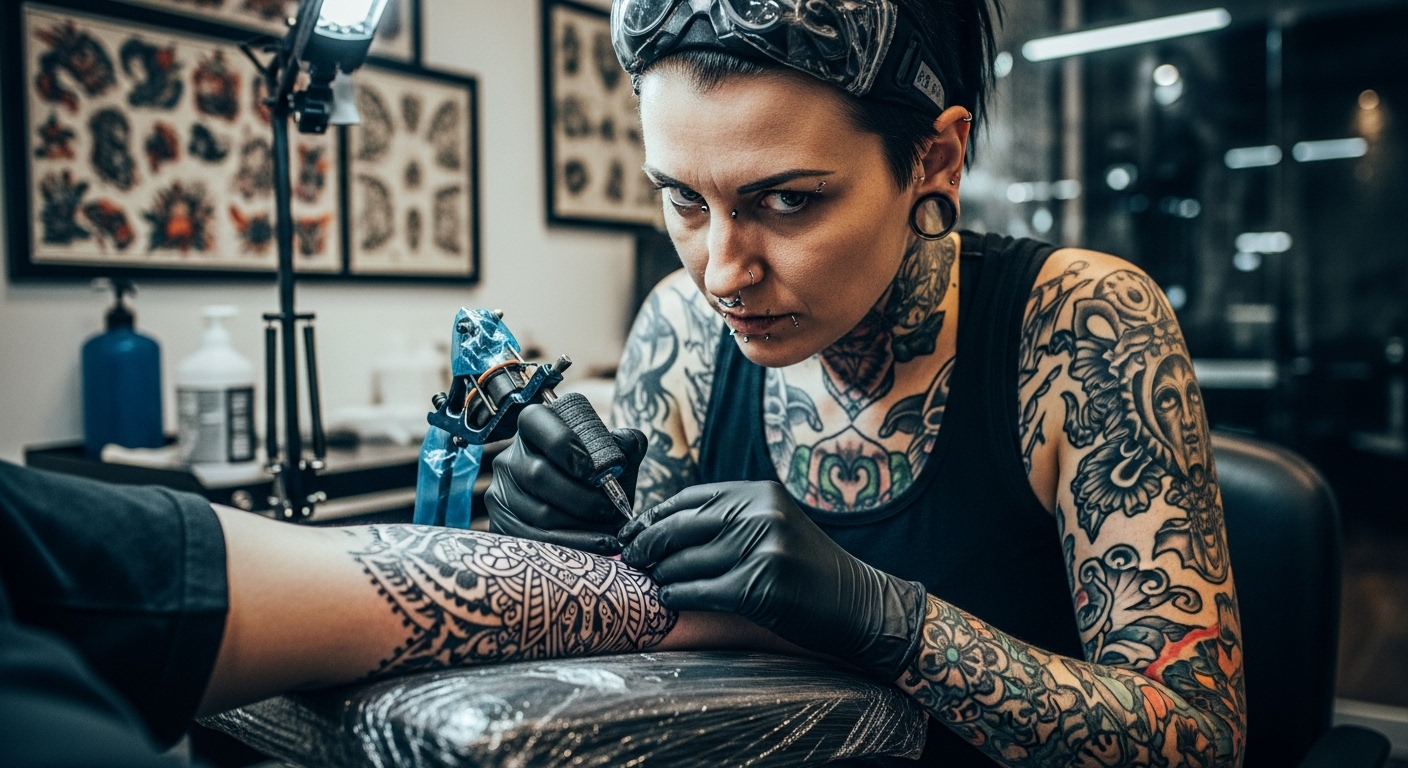
The tattoo renaissance continues to surge in 2026, moving far beyond traditional stereotypes to embrace radical self-expression and cultural dialogue. At the forefront of this evolution stands Inkedlady666, a dynamic force reshaping how we perceive body art in the digital age. More than just a tattoo artist, Inkedlady666 has cultivated a global movement that merges intricate craftsmanship with powerful social advocacy, challenging norms and celebrating individuality.
Her journey—from underground studios to mainstream recognition—exemplifies the transformative power of art in fostering community and personal empowerment. As tattoos become increasingly accepted across professional and social spheres, figures like Inkedlady666 prove that ink is no longer mere decoration but a vital language of identity.
Who is Inkedlady666? The Visionary Behind the Movement
Inkedlady666 emerged from the vibrant underground tattoo scenes of London, quickly gaining recognition for her fearless approach to body art. With over a decade of experience, she transformed personal struggles into a platform advocating for mental health awareness and LGBTQ+ visibility through her work. Her studio, “Skin Alchemy,” operates on principles of consent, safety, and artistic integrity, setting new standards in an industry often plagued by inconsistency. Unlike many artists who specialize in single styles, Inkedlady666 masterfully blends neo-traditional, biomechanical, and watercolor techniques to create pieces that tell multidimensional stories.
Her clientele spans activists, celebrities, and everyday individuals seeking meaningful self-expression, all drawn to her commitment to ethical practices. According to Wikipedia, the global tattoo market has grown exponentially, and artists like Inkedlady666 are pivotal in driving this acceptance. She doesn’t just apply ink; she curates transformative experiences where every session becomes a dialogue about identity and resilience.
The Artistry Behind Inkedlady666: Techniques and Signature Styles
What sets Inkedlady666 apart is her innovative fusion of classical tattooing methods with contemporary digital tools. She utilizes 3D skin mapping software to preview designs on clients’ bodies pre-application, ensuring precision for complex pieces like her renowned “anatomical surrealism” series. Her portfolio showcases a fearless color palette—electric blues, deep magentas, and metallic inks—that defies traditional tattoo limitations. Key elements of her signature style include:
- Layered Symbolism: Integrating personal motifs (e.g., ancestral patterns or mental health icons) with universal archetypes.
- Dynamic Negative Space: Using skin as part of the design to create optical illusions and depth.
- Eco-Conscious Materials: Pioneering plant-based inks and biodegradable aftercare products to reduce environmental impact.
Her technical mastery is matched by an intuitive understanding of body ergonomics; she strategically places designs to complement natural movement, ensuring longevity and aesthetic harmony. For clients with scar tissue or medical conditions, Inkedlady666 developed specialized techniques that transform vulnerabilities into focal points of beauty, a practice documented in collaborations with healthcare nonprofits.
This holistic approach has earned her features in Tattoo Artist Magazine and invitations to speak at international art symposiums. As she often states, “The body is a living canvas—it demands respect, not just replication.” Her workshops, available both in-person and via her Patreon, demystify advanced shading and color theory, empowering a new generation of artists to prioritize ethics alongside aesthetics.
Impact on Modern Tattoo Culture: Breaking Barriers and Building Community
Inkedlady666’s influence transcends individual artistry, catalyzing systemic change within tattoo culture. She co-founded the “Ink for All” initiative, which provides free cover-up tattoos for survivors of self-harm and domestic violence, directly addressing stigma through art therapy. Her viral #InkedWithoutApology campaign encouraged marginalized communities to share their stories, amassing over 500,000 posts and prompting major studios to adopt inclusive hiring practices.
Critically, she challenges the industry’s historical exclusion of women and non-binary artists—less than 30% of professional tattooers identify as female, a gap Inkedlady666 actively bridges through mentorship programs. Her advocacy extends to legislative efforts, lobbying for standardized health regulations that protect both artists and clients from unsafe practices.
How to Connect with Inkedlady666: Engagement and Opportunities
Building a relationship with Inkedlady666 extends beyond booking an appointment; it’s about joining a movement. Her digital presence is meticulously curated to foster genuine connection while maintaining professional boundaries. Here’s how to engage meaningfully:
- Follow Authentically: Engage with her Instagram (@inkedlady666) by commenting thoughtfully on posts rather than generic likes. She regularly features community stories in her “Ink Diaries” series.
- Attend Virtual Workshops: Her monthly Zoom sessions cover topics like “Tattoo Aftercare for Sensitive Skin” or “Decoding Symbolism in Body Art,” often with sliding-scale fees.
- Support Ethical Initiatives: Donate to her partnered charities (e.g., The Trevor Project) via her Linktree, where 100% of proceeds fund free tattoo sessions for LGBTQ+ youth.
- Respect Studio Protocols: Bookings require a consultation call to discuss design intent—Inkedlady666 rejects requests that appropriate cultural symbols without context.
For deeper insights into her creative process, explore our resources on sustainable tattoo practices. Her Patreon offers exclusive content, including time-lapse videos of complex pieces and live Q&As about navigating tattoo industry challenges. Importantly, she emphasizes that connection isn’t transactional; her community thrives on mutual respect, with clients often becoming collaborators in social campaigns. This approach has cultivated a loyal following where vulnerability is celebrated, proving that art can be both deeply personal and universally unifying.
The Future of Tattoo Culture: Inkedlady666’s Vision for 2026 and Beyond
As we navigate 2026, Inkedlady666 envisions a tattoo culture where technology and tradition coexist to expand artistic possibilities. She’s pioneering “smart ink” collaborations with biotech firms—thermochromic pigments that change color with body temperature, creating living art that responds to emotion. Simultaneously, she champions analog techniques, arguing that the human hand’s imperfections foster deeper connection than AI-generated designs. Her upcoming project, “The Skin Archive,” uses blockchain to document clients’ tattoo journeys, preserving stories for future generations while ensuring artist royalties.
Health and safety remain paramount; she advocates for global adoption of CDC-recommended sterilization protocols, noting that proper aftercare prevents 90% of common complications. Looking ahead, Inkedlady666 predicts three key trends: the rise of “temporary permanent” tattoos (semi-permanent ink for experimental clients), community-funded public art installations, and AI tools that assist—not replace—artists in design iteration.
Crucially, she stresses that progress must center inclusivity: “Technology should democratize access, not deepen divides.” Her keynote at the 2026 Global Body Art Summit will address ethical AI use in tattooing, setting industry standards for years to come. For enthusiasts, this means unprecedented opportunities to engage with body art as both personal expression and collective innovation.
Conclusion: Why Inkedlady666 Matters Now More Than Ever
Inkedlady666 represents more than a talented artist; she embodies the transformative potential of body art as a catalyst for social change and personal healing. In a world grappling with polarization, her work reminds us that our bodies can be sites of resistance, joy, and unity. By merging technical excellence with unwavering advocacy, she’s redefined what tattoo culture can achieve—proving that every line, color, and story matters.
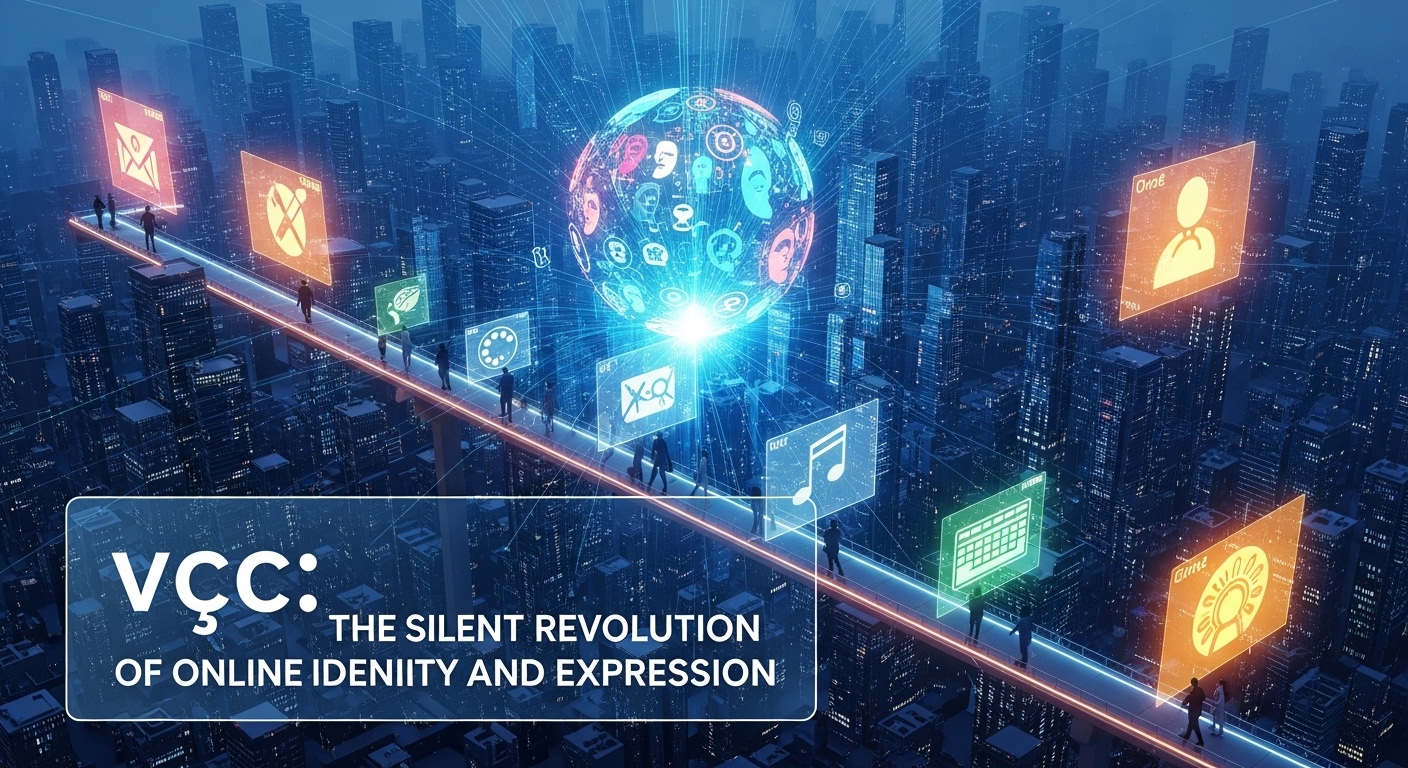
In the hyper-saturated landscape of modern social media, where every thought is indexed and every image is filtered for maximum engagement, a new form of digital defiance is emerging. It doesn’t arrive with a manifesto or a marketing campaign; instead, it manifests as a whisper, a glitch, or a cryptic sequence of characters. At the heart of this shift is vçç, a symbol—or perhaps a signal—that represents a fundamental pivot in how we conceive of online identity.
To the uninitiated, vçç may look like a typographical error or a remnant of corrupted data. However, to a growing segment of digital natives, it represents a “silent revolution.” It is a move away from the performative transparency of the early 2010s toward a future defined by intentional ambiguity, community-coded language, and the reclaiming of digital privacy through abstraction.
1. The Death of the “Profile” and the Rise of the “Presence”
For the last two decades, online identity was built on the concept of the “Profile.” We were encouraged to list our interests, our locations, and our relationships in structured boxes. This data-driven identity was designed for advertisers, not for human expression.
The emergence of vçç signals the death of this structured self. Instead of a profile, users are now curating a “presence.” A presence is fluid; it doesn’t need to be indexed or easily searched. By using symbols like vçç, users are creating a digital barrier that keeps “outsiders” and “algorithms” at bay. It is an expression of identity that requires context to understand, effectively gatekeeping one’s digital space from the prying eyes of data harvesters.
2. Linguistic Evolution in a Post-Text World
Human language has always evolved to meet the needs of its environment. In the digital realm, we are moving into a “post-text” era where traditional words often feel too heavy or too slow to capture the nuance of internet-speed thought.
The Semantics of Abstraction
Why vçç? In many ways, the specific characters are less important than their visual weight. The combination of the “v” and the “çç” (cedillas) creates a visual rhythm that is distinct from standard English or Latin-based typing. It acts as a visual “vibe” rather than a literal word.
Escaping the Algorithm
Modern social media algorithms are programmed to recognize keywords. If you type about “mental health,” “politics,” or “shopping,” the platform knows exactly which bucket to put you in. vçç functions as a form of “algorithmic camouflage.” Because the AI doesn’t have a pre-defined sentiment or category for these symbols, the user regains a sense of freedom. They are communicating in a frequency that the machine cannot yet monetize.
3. The Psychology of the “In-Group”
One of the most powerful drivers of human culture is the need to belong to an “in-group.” Throughout history, this has been achieved through secret handshakes, slang, or fashion. In the digital age, vçç has become a digital handshake.
The Power of the Shared Secret
When a user sees vçç in a bio or a caption, it creates an immediate, unspoken bond. It says, “I understand the current digital climate, and I am part of the same subculture as you.” This fosters a deep sense of community without the need for traditional “groups” or “forums.” It is a decentralized belonging that exists in the cracks between platform features.
Defiance Against Content Homogenization
We live in an era of “Aesthetic Flattening,” where every cafe looks the same and every Instagram feed follows the same color palette. vçç is an act of aesthetic rebellion. It is intentionally “non-aesthetic” or “anti-design.” It disrupts the clean, corporate lines of modern app interfaces with something that feels raw, human, and slightly broken.
4. vçç as a Tool for Digital Sovereignty
Digital sovereignty—the idea that an individual should have control over their own digital footprint—is at the core of the vçç movement.
Stealth Identity
For many users, especially those in marginalized communities or those living under restrictive regimes, being “discoverable” is a danger, not a goal. Symbols like vçç allow for a “stealth identity.” Users can find each other and share ideas while remaining invisible to broad-spectrum searches.
The Rejection of Personal Branding
The early 2010s told us that everyone should be a “brand.” We were told to optimize our “personal brand” for career success. The revolution of vçç is a total rejection of the “Human-as-Brand” model. It suggests that a human being is too complex, too messy, and too contradictory to be reduced to a brand. By adopting a cryptic digital signifier, the user is saying: “I am not a product. I am not for sale.”
5. The Future of Expression: From Emojis to Emblems
If we look at the trajectory of online communication, we can see a clear path. We started with text (IRC/Email), moved to emojis (visual shorthand), then to memes (contextual visual language). vçç represents the next step: the emblem.
6. The Impact on Creative Industries
How do artists, writers, and designers react to a world where vçç is the dominant mode of expression?
- Graphic Design: We are seeing a move toward “Glitch Art” and “Brutalist Web Design” that incorporates symbolic placeholders rather than clear calls to action.
- Copywriting: Brands are struggling to keep up. When a brand tries to use vçç, it often feels like “fellow kids” cringe. This protects the symbol’s sanctity for the user base; as soon as it is co-opted by a corporation, the community moves on to a new symbol.
- Fashion: We see “cryptic apparel” where symbols like vçç are embroidered or printed, acting as a physical signal for a digital tribe.
7. The Ethical Dimension: Is Ambiguity Dangerous?
While the silent revolution of vçç offers freedom and privacy, it also presents challenges. Ambiguity can be used to hide harmful content or to exclude others in a way that creates “echo chambers.”
However, the proponents of vçç argue that the benefits of reclaiming identity from the hands of big tech far outweigh the risks. The goal is not to create a “dark web” of hate, but a “quiet web” of genuine connection. It is about creating spaces where humans can be weird, experimental, and un-tracked once again.
8. Conclusion
The story of vçç is the story of the human spirit refusing to be quantified. No matter how many algorithms are built to track our preferences, and no matter how many platforms are built to sell our attention, we will always find a way to communicate “off-grid.”
vçç is a signal that the pendulum is swinging back. After a decade of radical transparency, we are rediscovering the beauty of the opaque. We are learning that our identities do not belong to the platforms we inhabit, but to ourselves and the communities we choose to build.
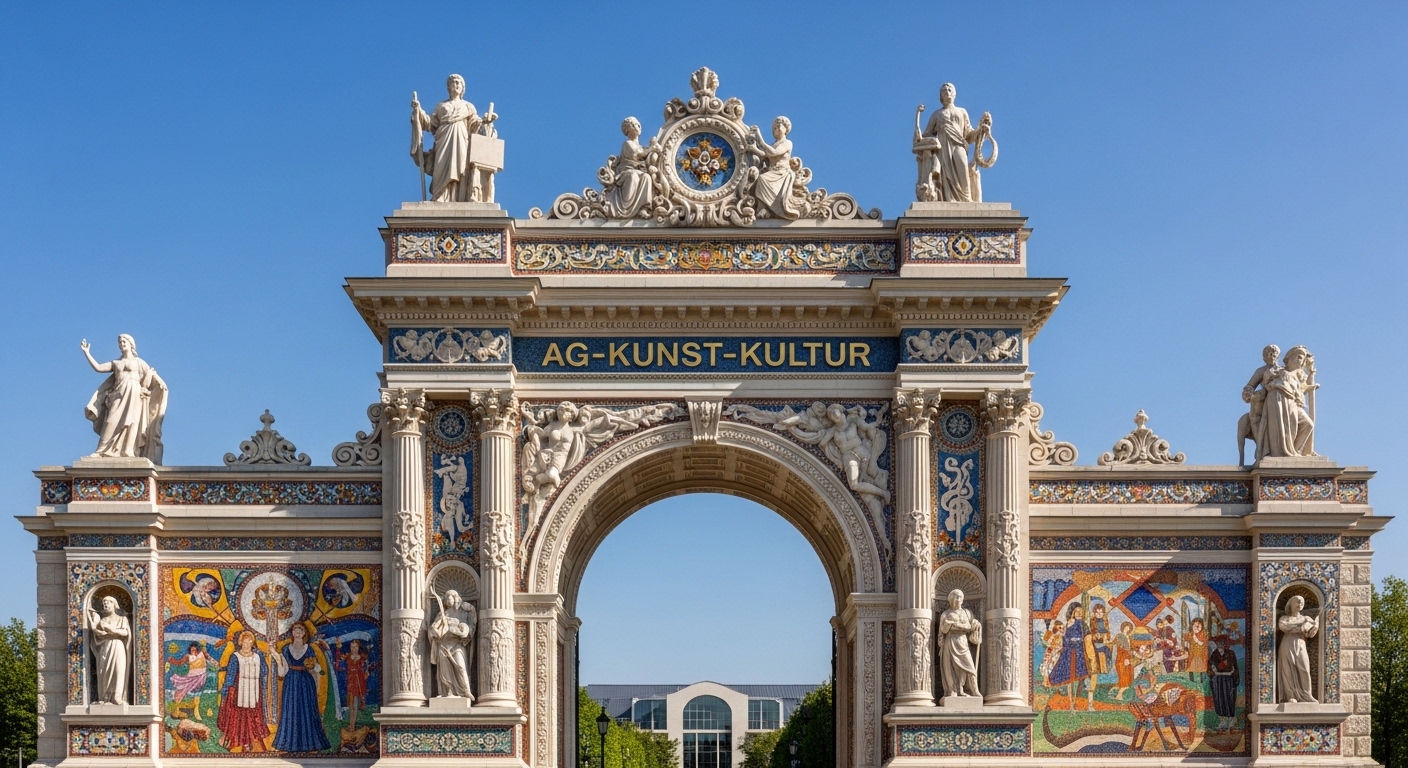
In today’s fast-paced world, art and culture play a vital role in shaping communities, nurturing creativity, and building connections. One term that has gained prominence, particularly in German-speaking regions, is ag-kunst-kultur. This concept represents a collaborative approach to art and culture, often found in schools, community programs, and cultural organizations. Ag-kunst kultur is more than just a phrase; it embodies the spirit of creative collaboration, cultural exploration, and personal growth through artistic endeavors.
What is ag-kunst-kultur?
Ag-kunst-kultur is a combination of three German words: “AG” (Arbeitsgemeinschaft, meaning working group), “Kunst” (art), and “Kultur” (culture). Together, the term refers to a structured group or initiative dedicated to exploring, learning, and practicing art and culture collaboratively. These groups are often organized in schools, cultural centers, or local communities and provide opportunities for people to engage in creative projects while learning about diverse cultural traditions.
The essence of ag-kunst-kultur’s lies in its collaborative nature. Participants come together to share ideas, develop artistic skills, and participate in cultural events. Unlike traditional classroom settings, ag-kunst-kultur emphasizes hands-on learning, practical experience, and active participation, making it a powerful tool for personal and creative development.
The Role of ag-kunst-kultur in Education
In educational settings, ag-kunst-kultur’s serves as an extracurricular platform where students can explore art forms beyond standard curricula. Schools that implement ag-kunst-kultur’s programs provide students with workshops in painting, music, theatre, dance, and literature. These programs encourage self-expression, critical thinking, and innovation.
Participation in ag-kunst-kultur’s enhances students’ learning experiences by promoting creativity and problem-solving skills. Students collaborate on projects, organize exhibitions, and perform in cultural events, fostering teamwork and social confidence. This integration of art and culture into education helps students develop a well-rounded personality and encourages lifelong appreciation for the arts.
Community Engagement through ag-kunst-kultur
Beyond schools, ag-kunst-kultur plays a significant role in local communities. Cultural centers and organizations use this approach to engage citizens in art and cultural activities. Through workshops, festivals, exhibitions, and performances, community members can explore artistic talents, preserve cultural traditions, and strengthen social bonds.
Ag-kunst-kultur’s initiatives often involve partnerships with local artists, museums, and cultural institutions. These collaborations create opportunities for cultural exchange, mentorship, and knowledge sharing. As a result, communities become more vibrant, inclusive, and culturally aware.
Benefits of ag-kunst-kultur
The advantages of participating in ag-kunst-kultur programs are manifold.
- Enhances Creativity: By exploring various art forms, individuals develop creative thinking and problem-solving abilities.
- Cultural Awareness: Ag-kunst-kultur’s exposes participants to diverse cultural practices and traditions, fostering understanding and empathy.
- Social Skills: Working collaboratively on projects improves communication, teamwork, and leadership abilities.
- Personal Growth: Engagement with art and culture enhances confidence, self-expression, and critical thinking skills.
- Community Development: Ag-kunst-kultur’s initiatives bring people together, creating a sense of shared identity and collective creativity.
These benefits make ag-kunst-kultur a valuable tool not only for individuals but also for the growth and enrichment of communities.
Types of Activities in ag-kunst-kultur
Ag-kunst-kultur programs are versatile and adaptable, encompassing a wide range of activities:
- Visual Arts: Painting, sculpture, photography, and design projects allow participants to explore their artistic talents.
- Performing Arts: Theatre, dance, and music performances help develop stage presence and creative expression.
- Literary Arts: Creative writing, poetry, and storytelling encourage imagination and communication skills.
- Cultural Workshops: Participants learn about global traditions, history, and cultural practices through hands-on experiences.
- Collaborative Projects: Community exhibitions, festivals, and public art initiatives foster teamwork and collective creativity.
These activities are designed to be inclusive, engaging, and educational, providing participants with a holistic experience of art and culture.
How ag-kunst-kultur Supports Personal and Professional Growth
Participation in ag-kunstkultur is not limited to artistic development. It also nurtures valuable life skills that are beneficial in personal and professional contexts. Individuals who engage in these programs often develop critical thinking, adaptability, and resilience. They learn to collaborate with diverse groups, manage projects, and communicate ideas effectively.
Moreover, ag-kunstkultur can open pathways to careers in arts, education, cultural management, and community development. For students and young professionals, these programs provide practical experience, networking opportunities, and a portfolio of creative work that enhances career prospects.
Challenges and Solutions in Implementing ag-kunst-kultur
While the benefits of ag-kunst-kultur are clear, there are challenges in implementing these programs. Limited funding, lack of resources, and insufficient awareness can hinder participation. Schools and community organizations may also face difficulties in coordinating activities and ensuring accessibility for all.
To overcome these challenges, organizers can seek partnerships with local businesses, cultural institutions, and volunteers. Grants, sponsorships, and community support can help sustain programs. Additionally, raising awareness through social media, local media, and word-of-mouth can increase participation and engagement.
The Future of ag-kunst-kultur
The importance of ag-kunstkultur continues to grow in an increasingly interconnected world. As societies become more diverse and technology-driven, the need for creative expression, cultural understanding, and collaborative learning is higher than ever.
Ag-kunstkultur offers a flexible and inclusive model for nurturing creativity and culture in schools, communities, and professional environments. By embracing this approach, individuals and organizations can cultivate a culture of innovation, empathy, and artistic excellence.
Conclusion
Ag-kunst-kultur is a powerful concept that combines art, culture, and collaboration to foster creativity, learning, and community engagement. From educational programs to community initiatives, it provides opportunities for personal growth, cultural awareness, and social development. By supporting and participating in ag-kunstkultur , individuals can unlock their creative potential, connect with others, and contribute to a richer cultural landscape.
Frequently Asked Questions (FAQ’s)
What does ag-kunst kultur mean?
Ag-kunstkultur refers to a collaborative working group focused on art and culture.
Where is ag-kunst kultur usually implemented?
It is commonly found in schools, community centers, and cultural organizations.
What are the benefits of ag-kunst kultur?
It enhances creativity, cultural awareness, teamwork, and personal growth.
What activities are included in ag-kunst kultur programs?
Programs include visual arts, performing arts, literary arts, workshops, and collaborative projects.
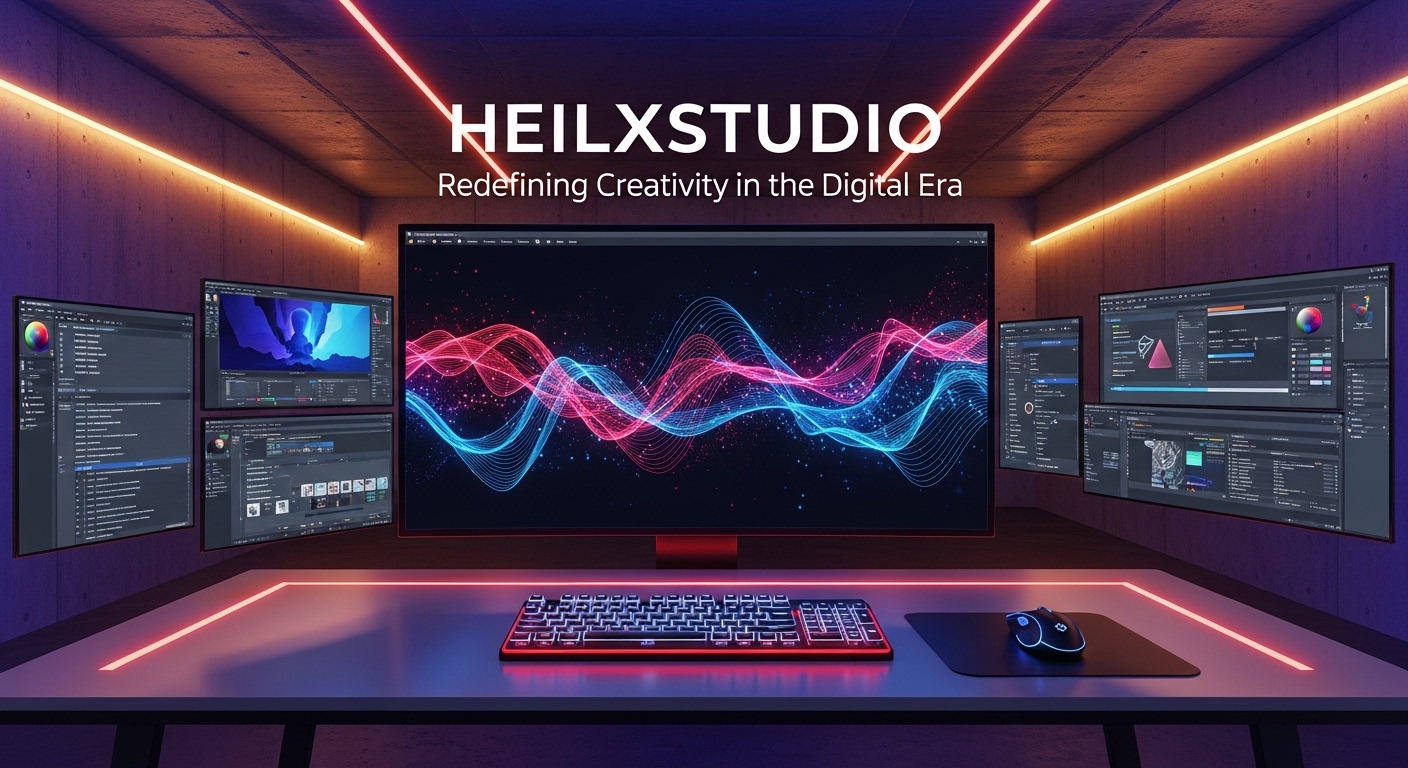
In the fast-evolving world of digital design, heilxstudio has emerged as a modern creative force, transforming the way brands, designers, and businesses approach digital content. Known for combining creativity with strategic innovation, heilxstudio offers solutions that go beyond traditional design, providing clients with digital assets that are not only visually appealing but also functional and purposeful. Whether you are a small business looking to establish your digital presence or a large corporation seeking cutting-edge design solutions, heilxstudio has become a go-to name in the creative industry.
What Is HeilxStudio?
Heilxstudio is a digital creative studio specializing in a wide range of services, including web design, branding, UI/UX design, and 3D asset production. Unlike conventional studios, heilxstudio focuses on integrating technology and creativity to deliver results that are both innovative and practical. By combining research, strategy, and creative execution, heilxstudio helps clients establish a strong digital footprint while ensuring that every project aligns with their brand identity and goals.
The studio’s philosophy revolves around collaboration. At heilxstudio, every project begins with understanding the client’s needs, market position, and target audience. This client-centric approach ensures that each design or digital asset is purposeful and tailored to the specific goals of the project.
Services Offered by HeilxStudio
Heilxstudio offers a variety of services that cater to different aspects of digital creativity and production. Their offerings include:
1. Web and Mobile Design
Heilxstudio specializes in designing responsive, visually stunning, and user-friendly websites and mobile applications. From e-commerce platforms to portfolio sites, the studio ensures that every project combines aesthetics with functionality. The user interface and experience are meticulously crafted, keeping the end-user in mind, which results in higher engagement and better conversion rates.
2. Branding and Visual Identity
A strong brand identity is crucial in today’s competitive market. Heilxstudio provides complete branding solutions, including logo design, brand color palettes, typography, and brand guidelines. By creating a cohesive visual identity, heilxstudio helps businesses communicate their values effectively and establish a lasting impression in the minds of their audience.
3. UI/UX Design
User experience is at the core of all digital products. Heilxstudio focuses on creating intuitive, smooth, and engaging experiences for users. Their UI/UX design services involve thorough research, wireframing, prototyping, and testing, ensuring that every digital interface is easy to navigate and aligned with the client’s goals.
4. 3D Assets and Animation
Heilxstudio also specializes in producing 3D assets and animations for digital projects. These assets are designed to be highly versatile, helping brands enhance their storytelling capabilities, marketing campaigns, and interactive experiences. From product visualizations to immersive animations, heilxstudio brings concepts to life with precision and creativity.
5. Digital Strategy and Consultation
Beyond design, heilxstudio provides strategic guidance to help clients make informed decisions about their digital presence. Whether it’s improving website performance, increasing engagement, or optimizing brand visibility, heilxstudio combines creative insights with data-driven strategies to achieve measurable results.
Why Choose HeilxStudio?
Choosing the right creative partner can make a significant difference in how a brand is perceived online. Heilxstudio stands out for several reasons:
- Client-Focused Approach: Each project begins with understanding the client’s unique requirements and goals.
- Innovative Solutions: Heilxstudio blends creativity and technology to produce solutions that are not only visually impressive but also effective.
- Comprehensive Services: From web design to branding and 3D assets, heilxstudio covers every aspect of digital creation.
- Attention to Detail: Every project undergoes thorough research, testing, and refinement to ensure excellence.
- Collaborative Workflow: Heilxstudio values client input at every stage, ensuring the final output aligns perfectly with expectations.
The Creative Process at HeilxStudio
The success of heilxstudio can be attributed to its well-defined creative process. Each project follows a structured workflow to ensure quality, consistency, and innovation:
- Research and Analysis – Understanding client goals, market trends, and target audiences.
- Concept Development – Generating creative ideas and strategies tailored to the client’s needs.
- Design and Production – Creating designs, animations, or digital assets with a focus on quality and usability.
- Testing and Refinement – Conducting usability tests, refining designs, and making necessary adjustments.
- Delivery and Support – Providing final deliverables along with ongoing support to ensure optimal results.
This process ensures that heilxstudio not only delivers visually appealing work but also solutions that drive engagement and business growth.
Innovations and Trends at HeilxStudio
Heilxstudio stays ahead of the curve by embracing the latest technology and design trends. From interactive web experiences to 3D modeling and immersive animations, the studio constantly explores innovative methods to enhance digital storytelling. By integrating modern tools with creative expertise, heilxstudio ensures that clients remain competitive in an increasingly digital world.
Client Success Stories
Numerous businesses have benefited from heilxstudio’s expertise. Brands working with heilxstudio have reported improved user engagement, stronger brand recognition, and increased digital conversions. By focusing on unique, tailor-made solutions, heilxstudio has helped both startups and established businesses elevate their digital presence.
Conclusion
Heilxstudio represents a new era in digital creativity, where innovation meets strategy to deliver exceptional results. With a comprehensive range of services, a client-focused approach, and a dedication to quality, heilxstudio stands as a reliable partner for businesses seeking to enhance their digital footprint. Whether you are looking for striking visuals, engaging user experiences, or strategic guidance, heilxstudio has the tools and expertise to bring your vision to life.
FAQ’s
What services does heilxstudio provide?
Heilxstudio offers web design, branding, UI/UX, 3D assets, animations, and digital strategy services.
Who can benefit from heilxstudio’s services?
Businesses of all sizes, from startups to large corporations, can leverage heilxstudio for digital growth and creative solutions.
Is heilx studio focused only on design?
No, heilx studio combines design with strategy and technology to deliver functional and effective digital solutions.
How does heilx studio ensure quality in its projects?
Through a structured process of research, design, testing, and refinement, heilx studio maintains high standards for every project.
-
 HOME3 weeks ago
What Is Wellozgalgoen? The New Idea Everyone’s Talking About
-

 HOME3 weeks ago
XMoviesForYou: Complete Guide, Features, Safety, and Legal Information
-
 HOME3 weeks ago
Understanding Papigrafifico: Meaning, Uses, and Importance
-
 HOME3 weeks ago
Nicste14: The AI-Powered Project Management Revolution
-

 HOME3 weeks ago
Decreto Supremo 160: Implications & Relevance in Current Legislation
-
 HOME3 weeks ago
Hozmixsiw154: Meaning and Online Presence
-

 HOME3 weeks ago
Instablu: Everything You Need to Know About the Platform
-
 HEALTH2 weeks ago
Dentiloquent: How Oral Communication Shapes Our Connections